June 2020
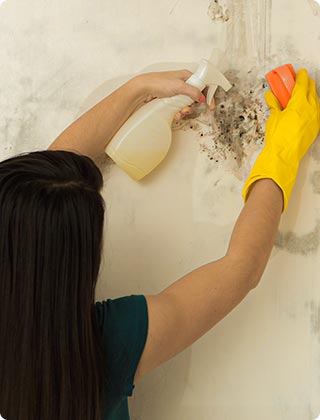
Vinegar vs Bleach for Mold: Common Myths and What to Know Before Cleaning
Most people reach for bleach or vinegar the first time they see mold. It feels logical. Both are easy to find, widely recommended online, and associated with cleaning and disinfecting. The mold spot fades, the surface looks better, and it seems like the problem is handled.
Then the mold comes back.
This article explains what people usually mean when they ask questions like does vinegar kill mold, can bleach kill mold, or is bleach or vinegar better to kill mold. It breaks down what these substances may do on certain surfaces, where they often fall short, and why mold problems frequently persist even after repeated cleaning.
The goal is clarity, not conclusions. This page does not diagnose conditions, assume mold is present, or promise outcomes.
Why Bleach and Vinegar Are So Commonly Used for Mold
Before looking at whether bleach or vinegar works, it helps to understand why people trust them in the first place.
Bleach has a strong smell, removes visible stains, and is commonly associated with disinfecting. Vinegar is often labeled as natural and appears in many home-cleaning guides as a safer alternative.
Both substances can change how the surface looks. That visual feedback is a big reason people believe they solved the problem, even when underlying conditions remain unchanged.
Does Vinegar Kill Mold?
Whether vinegar kills mold is among the most common mold-related questions. The short answer is that vinegar may reduce surface-level mold growth under limited conditions, but it does not reliably address mold growth in building materials or hidden areas.
Vinegar is acidic. That acidity may affect some mold species on non-porous surfaces like tile or glass. However, results vary widely depending on the type of mold, the surface involved, and the surrounding moisture conditions.
Where vinegar tends to fall short is penetration. It does not soak into porous materials such as drywall, wood, carpet backing, or insulation. Mold growth in these materials often extends beyond what is visible on the surface.
Why Results with Vinegar Are Inconsistent
Homeowners often report mixed results when asking whether vinegar can kill mold. That inconsistency is expected.
Vinegar may:
- Lighten surface discoloration
- Reduce odors temporarily
- Change surface appearance
It typically does not:
- Reach mold growth beneath porous surfaces
- Address moisture that allows mold to return
- Prevent regrowth in damp environments
This explains why vinegar sometimes appears to work briefly, then stops being effective.
Can Bleach Kill Mold?
Bleach is often assumed to be stronger and more effective than vinegar. The question of whether bleach can kill mold depends largely on the surface being cleaned.
On non-porous materials like sealed tile or glass, bleach may remove visible mold staining. It can also disinfect the surface layer. However, bleach is mostly water. On porous materials, that water component can soak in while the active chlorine remains on the surface.
This means bleach may improve how mold looks without removing growth embedded in the material.
Why Bleach Often Makes Mold Problems Appear Solved
Bleach is effective at whitening stains. When mold discoloration fades, it creates the impression that the mold itself is gone. In porous materials, bleach may:
- Remove surface staining
- Leave deeper growth untouched
- Add moisture that supports regrowth
This is one reason people report that mold comes back after cleaning, sometimes in the same location.
Is Bleach or Vinegar Better to Kill Mold?
The question of whether bleach or vinegar is better at killing mold doesn't have a universal answer. Both are limited tools, and neither addresses mold growth comprehensively across most building materials. A simplified comparison helps clarify the source of confusion.
| Surface Type |
Bleach |
Vinegar |
| Glass or Sealed Tile |
May remove visible staining |
May reduce surface growth |
| Drywall or Wood |
Limited penetration |
Limited penetration |
| Carpet or Fabric |
Not effective |
Not effective |
| Hidden Mold |
Does not reach |
Does not reach |
Vinegar vs Bleach Mold Solution
Questions about bleach or vinegar often come up when surface cleaning stops being effective. At that point, gathering environmental data can be more useful than trying another cleaner.
Our mold specialists evaluate indoor conditions such as moisture and air quality to help clarify whether mold-supporting conditions may exist. Learn how professional mold testing works.
Why Mold Often Returns After Cleaning
Mold problems are rarely about cleaning alone. Mold growth depends on moisture, materials, and time. Surface cleaning may temporarily improve appearance, but it does not change:
- Moisture inside walls or floors
- Leaks or condensation
- Humidity patterns in the home
If conditions that allow mold growth remain, regrowth is possible regardless of which cleaner is used.
Surface Mold vs Embedded Mold
One of the biggest sources of confusion is the difference between surface mold and embedded growth.
Surface mold refers to growth that exists only on the outer layer of a non-porous material. Embedded mold grows within porous materials and may not be fully visible.
Bleach and vinegar can only interact with what they physically touch. They cannot evaluate or remove growth behind walls, under flooring, or inside building materials.
Why Cleaning Feels Productive Even When It Isn't Solving the Problem
Cleaning provides immediate feedback. The surface looks better. The smell may fade. The effort feels successful.
That doesn't mean cleaning was wrong. It means cleaning addresses appearance, not conditions. Mold issues are often about moisture control, ventilation, and building materials rather than disinfectants.
This is where many homeowners get stuck repeating the same process without different results.
If you want objective information about your home environment, we provide independent mold testing designed to support informed decisions, not assumptions. Request your inspection from O2 Mold Testing 888-202-1680.
What Mold Control Actually Requires Conceptually
Without offering remediation advice, it helps to clarify what mold control generally involves. Mold control is about:
- Identifying moisture sources
- Understanding where growth exists
- Evaluating indoor conditions
Cleaning products are only one small part of a much larger picture.
Where Professional Mold Testing Fits
Mold testing does not diagnose health conditions or guarantee outcomes. It evaluates environmental conditions such as moisture levels and airborne mold indicators.
Testing may help determine whether mold growth is limited to visible surfaces or if conditions exist that could support hidden growth. It is often used as a rule-out step rather than a conclusion.
Guidance from the Centers for Disease Control and Prevention (CDC) and the Environmental Protection Agency (EPA) emphasizes that mold problems are driven by moisture and building conditions, not surface cleaning alone.
Frequently Asked Questions
Does vinegar kill mold completely?
Vinegar may affect some surface mold under limited conditions, but it does not reliably remove mold growth in porous materials or hidden areas.
Can bleach kill mold permanently?
Bleach may remove visible staining on non-porous surfaces, but it does not permanently eliminate mold growth when moisture conditions remain.
Is bleach or vinegar better to kill mold?
Neither is designed to address embedded mold growth or moisture-related issues. Their effectiveness depends on surface type and conditions.
Why does mold come back after cleaning?
Mold often returns when moisture sources or hidden growth remain. Cleaning alone does not change those conditions.
Should I stop cleaning mold myself?
Cleaning, even with tried and true methods, may not resolve underlying mold-related conditions.
Key Takeaways
- Bleach and vinegar may improve how a surface looks, especially on non-porous materials
- On porous materials, both have limited penetration and may miss what is beneath the surface
- Neither product reliably fixes moisture conditions that allow regrowth
- If spotting returns, the more useful question is "where is the moisture coming from?" not "which cleaner is stronger?"
- When you need clarity, environmental testing can help separate surface issues from conditions that could support hidden growth
When Cleaning Isn't Enough
When mold keeps returning or appears in multiple areas, surface cleaning alone may not explain what is happening. Environmental testing can provide objective information about moisture and indoor conditions, helping homeowners understand whether mold-friendly conditions exist.
At O2 Mold Testing, we provide independent mold testing focused on measurement and clarity, not conclusions.
If you are looking to understand your home's indoor conditions rather than rely on trial-and-error cleaning, testing may help support informed next steps. Schedule your inspection online or call us at 888-202-1680.
About Author
Luther Litchfield is a mold inspection and testing specialist at O2 Mold Testing. He writes about mold testing, moisture concerns, indoor air quality, and common mold-related questions, drawing from hands-on experience with residential and commercial properties.
- Facebook
- About author