January 2022
updated: 08/31/2025
Mold Inspection Cost Guide: What to Expect in 2026
Mold can pose serious health risks and compromise the structural integrity of your home or business. As awareness of indoor air quality continues to grow in 2026, more homeowners and property managers are turning to professional mold inspections to ensure their spaces are safe and healthy.
But how much does a mold inspection actually cost? The answer depends on several factors, including the size of the property, the type of inspection needed, and your location. In this comprehensive guide, our mold inspection team will break down the typical mold inspection costs, what services are included, and how to make sure you're getting the best value for your money.
Whether you're buying a new home, dealing with a musty smell, or simply want peace of mind, understanding mold inspection pricing is the first step toward a cleaner, safer environment.
What Is a Mold Inspection?
A mold inspection is a professional assessment of a property to detect the presence of mold and identify the conditions that may lead to mold growth. It's a crucial step in maintaining a healthy indoor environment, especially in areas prone to moisture or water damage.
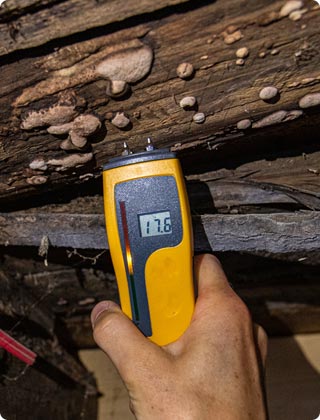
During a mold inspection, a certified specialist will visually examine the property, use specialized tools to detect hidden moisture, and may take air or surface samples for laboratory analysis. The goal is to determine whether mold is present, what type it is, and how extensive the contamination might be.
Mold Inspection vs. Mold Testing: What's the Difference?
While the terms are often used interchangeably, mold inspection and mold testing are not the same:
- Mold Inspection focuses on identifying visible signs of mold and the conditions that support its growth (like leaks or high humidity).
- Mold Testing involves collecting samples to determine the type and concentration of mold spores in the air or on surfaces.
In many cases, an inspection is the first step, and testing is only recommended if mold is suspected but not visible, or if health concerns are present.
When Should You Get a Mold Inspection?
- After water damage or flooding
- When buying or selling a home
- If you notice a musty odor
- If household members experience unexplained allergies or respiratory issues
- As part of routine property maintenance
Understanding what a mold inspection entails helps you make informed decisions about your property's health and safety.
Average Mold Inspection Cost In 2026
In 2026, the average cost of a professional mold inspection in the U.S. is approximately $670, with most homeowners paying between $302 and $1,045. However, prices can vary widely depending on the property size, the complexity of the inspection, and whether additional testing is required.
Typical Cost Ranges
- Low-end inspections (small homes or visual-only checks): $150 - $300
- Standard inspections (visual + lab testing with 2 air or surface samples): $300 - $700
- Comprehensive inspections (including thermal imaging and 5 or more test samples): $700 - $1,500+
- High-end or large property inspections: Up to $2,999 in rare cases
What's Included in the Cost?
Most mold inspection services include:
- A visual assessment of the property
- Moisture meter readings
- Basic air or surface sampling (in some packages)
- A written report with findings and recommendations
Some companies offer tiered pricing based on the level of detail and testing involved. For example:
- Visual-only inspections are the most affordable.
- Standard inspections may include moisture mapping and limited sampling.
- Comprehensive inspections often include thermal imaging and multiple lab-tested samples.
Cost by Home Size
- Small homes (<1,500 sq ft): $250 - $400
- Medium homes (1,500-2,500 sq ft): $400 - $700
- Large homes (2,500-4,000+ sq ft): $700 - $1,000+
- Extra-large or multi-unit properties: $1,000+
Understanding these cost ranges helps you budget appropriately and avoid overpaying for unnecessary services.
Cost Breakdown by Property Type
The cost of a mold inspection can vary significantly depending on the type of property being inspected. Larger or more complex buildings typically require more time, equipment, and expertise, which can increase the overall price.
1. Residential Homes
Single-family homes are the most common type of property inspected.
Typical cost: $300 - $700, depending on square footage and accessibility.
Homes with basements, attics, or crawl spaces may incur additional fees due to the extra inspection time required.
2. Apartments and Condos
Inspections in multi-unit buildings are usually limited to the individual unit unless common areas are also affected.
Typical cost: $200 - $500
Costs may be lower than for single-family homes, but shared ventilation systems or water damage in adjacent units can complicate the inspection.
3. Commercial Properties
These include office buildings, retail spaces, warehouses, and industrial facilities.
Typical cost: $750 - $2,500+
Pricing depends on the size of the building, number of floors, HVAC systems, and whether the inspection is part of a larger environmental assessment.
4. Rental Properties and Multi-Family Units
Landlords often request inspections for tenant complaints or routine maintenance.
Typical cost: $400 - $1,000, depending on the number of units and extent of the inspection.
5. New Construction or Pre-Purchase Inspections
Mold inspections are sometimes bundled with home inspections during real estate transactions.
Typical cost: $250 - $600, often discounted when combined with other services.
Understanding how property type affects pricing helps you anticipate costs and choose the right level of service for your needs.
Factors That Affect Mold Inspection Costs
Mold inspection pricing isn't one-size-fits-all. Several key factors can influence how much you'll pay for a professional assessment. Understanding these variables can help you budget more accurately and avoid unexpected fees.
1. Property Size and Layout
Larger homes or buildings require more time and effort to inspect. Complex layouts with multiple floors, crawl spaces, or attics may increase the cost.
Example: A 4,000 sq ft home may cost twice as much to inspect as a 1,200 sq ft condo.
2. Location and Accessibility
Urban areas with higher living costs often have higher inspection rates. Hard-to-reach areas (e.g., behind walls, under flooring) may require special tools or additional labor.
Travel fees may apply for remote or rural locations.
3. Type and Extent of Mold
If mold is hidden and widespread, the inspection may take longer and require more sampling. Suspicion of toxic mold (like Stachybotrys chartarum, or black mold) may prompt more detailed testing and lab analysis.
4. Type of Inspection
Visual-only inspections are the most affordable. Comprehensive inspections with air sampling, surface testing, and thermal imaging cost more.
Some companies offer tiered packages based on the level of detail.
5. Urgency or Emergency Services
Same-day or after-hours inspections typically come with a premium.
Emergency inspections after flooding or storm damage may cost more due to the need for rapid response.
6. Additional Testing or Services
Air quality testing, lab analysis, and moisture mapping are often billed separately. Some inspectors may recommend follow-up testing after remediation, which adds to the total cost.
By understanding these cost drivers, you can better evaluate quotes and choose the right inspection service for your needs and budget.
Additional Services and Their Costs
While a standard mold inspection provides a visual assessment and basic moisture readings, many situations call for more advanced testing and analysis. These add-on services can help confirm the presence of mold, identify the type, and determine the severity of contamination, but they also come with additional costs.
1. Air Quality Testing
Measures the concentration of mold spores in the air. Especially useful when mold is suspected but not visible.
Typical cost: $100 - $300 per sample
Most homes require 2-4 samples (indoor and outdoor for comparison).
2. Surface Sampling
Swab or tape-lift samples taken from visible mold growth. Helps identify the type of mold present.
Typical cost: $50 - $150 per sample
3. Laboratory Analysis
Samples are sent to a certified lab for identification and spore count. Results typically take 24-72 hours.
Typical cost: $30 - $100 per sample, often included in air/surface testing fees.
4. Thermal Imaging
Infrared cameras detect hidden moisture behind walls or under floors. Useful for locating mold-prone areas without invasive methods.
Typical cost: $150 - $300, depending on the size of the area scanned.
5. Moisture Mapping
Detailed mapping of moisture levels throughout the property. Helps pinpoint leaks or areas at risk for mold growth.
Typical cost: $100 - $250
6. Post-Remediation Verification (PRV)
Conducted after mold removal to confirm the area is clean and safe. Often required for insurance or legal documentation.
Typical cost: $200 - $500
These services can be bundled with a mold inspection or ordered separately, depending on your needs. While they add to the overall cost, they provide valuable insights that can guide effective remediation and protect your health.
How to Choose a Mold Inspector
Hiring the right mold inspector is essential for getting accurate results and trustworthy advice. Not all inspectors are created equal, so knowing what to look for can save you time, money, and stress.
1. Look for Proper Certifications
A qualified mold inspector should hold certifications from recognized industry organizations, such as:
- IICRC (Institute of Inspection, Cleaning and Restoration Certification)
- NAMP (National Association of Mold Professionals)
- ACAC (American Council for Accredited Certification)
These credentials ensure the inspector has received formal training and adheres to industry standards.
2. Ask About Experience
- How long have they been in business?
- Do they specialize in residential, commercial, or both?
- Have they handled cases similar to yours (e.g., post-flood inspections, black mold)?
Experience matters, especially when dealing with complex or hidden mold issues.
3. Understand What's Included
Not all inspections are the same. Ask:
- Is air or surface sampling included?
- Will you receive a written report?
- Are lab fees extra?
- Do they use tools like thermal imaging or moisture meters?
Clear expectations help you compare quotes fairly.
4. Check Reviews and References
- Look for online reviews on Google, Yelp, or the Better Business Bureau.
- Ask for references from past clients.
- A reputable inspector should have a track record of professionalism and reliability.
5. Confirm Insurance and Licensing
Ensure the inspector carries liability insurance.
In some states, mold inspectors must be licensed - verify their credentials with your local licensing board.
6. Get a Written Estimate
Request a detailed quote before work begins. Avoid inspectors who offer vague pricing or pressure you into unnecessary testing.
7. Avoid Conflicts of Interest
Ideally, the inspector should not offer mold remediation services. This ensures their findings are unbiased and not influenced by the potential for additional work.
Choosing a certified, experienced, and transparent mold inspector gives you confidence in the results and peace of mind that your home or business is in good hands.
Get Your Affordable Mold Inspection Today!
Understanding the cost of a mold inspection is an important step in protecting your property and your health. While prices can vary based on factors like property size, location, and the type of inspection, being informed helps you make smarter decisions and avoid unnecessary expenses. From basic visual checks to comprehensive testing with lab analysis, there's a solution for every budget and situation.
Whether you're dealing with visible mold, unexplained health symptoms, or just want peace of mind, a professional mold inspection offers clarity and confidence. And with the right approach - comparing quotes, bundling services, and maintaining your home, you can keep costs manageable without compromising on quality.
If you're ready to take the next step, O2 Mold Testing is here to help. Our certified inspectors provide thorough, reliable assessments tailored to your needs. Contact us today at 888-202-1680 for a personalized quote and breathe easier knowing your space is safe.
About Author
Luther Litchfield is a mold inspection and testing specialist at O2 Mold Testing. He writes about mold testing, moisture concerns, indoor air quality, and common mold-related questions, drawing from hands-on experience with residential and commercial properties.
- Facebook
- About author