
MENU



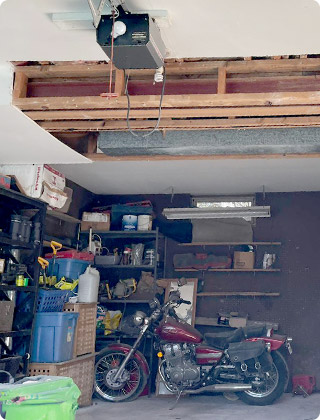
You know that weird, musty smell that hits you when you open the garage - the one you blame on "old boxes" and ignore? That smell is rarely just cardboard. It is usually the first signal of garage mold.
Left alone for a few months, mold can begin damaging drywall, studs, and other structural components over time, and turn your garage into a massive asthma trigger for people with asthma or allergies. Whether you use the space for parking, storage, or as a workshop, ignoring that smell is a gamble with your indoor air quality and your wallet.
This guide combines professional remediation standards with practical field experience to help you identify, test, and remove mold in your garage effectively.
The straightforward answer is yes. While the garage feels like a "separate" space, it rarely stays that way. Spores and musty air seep through shared walls, doors, and gaps, directly impacting the air quality inside your living room and kitchen.
Beyond the health risks, which include asthma attacks, allergies, and respiratory issues, there is a financial clock ticking.
Technician's Insight: We frequently see small spots on a garage ceiling, ignored for 6-12 months, turn into full ceiling replacements that can range from $2,000 to $5,000. Once the drywall and insulation are saturated, simple cleaning is no longer an option.
Effective mitigation starts with spotting the subtle signs of mold in your garage before they become obvious disasters.
Mold isn't picky, but it has favorite hangouts. Knowing where to look is half the battle.
This is a high-priority zone. Finding mold here often indicates a roof leak, poor attic ventilation, or a plumbing leak from a bathroom on the floor above.
Action: Thoroughly inspect where the walls meet the ceiling. If you see water stains and mold, you have an active leak that must be fixed before remediation begins.
Mold thrives behind storage shelves pushed tightly against exterior walls where air cannot circulate.
Pro Tip: Pull your shelving units 2-3 inches away from the wall to allow airflow and prevent condensation.
While not all dark mold is the toxic Stachybotrys chartarum, finding black mold in a garage, regardless of species, typically signifies a heavy, ongoing moisture problem. It requires caution. Do not disturb large patches of black mold without protective gear, as this can release millions of spores into the air.
Homeowners often panic seeing white powder on concrete floors or walls.
The Spray Test: Spray the white powder with water.
Because many molds look similar, visual inspection alone can't reliably determine the exact species or toxicity - laboratory analysis from a professional mold inspection is the only way to know for sure.
Not every spot requires a hazmat suit. Use this checklist to decide your next move.
If you fall into the "Call a Pro" category, guessing isn't enough. Professional mold testing provides data that a visual check cannot provide.
Addressing how to get rid of mold in garage requires a strict protocol. Do not just grab a rag and bleach.
Warning: Avoid using bleach on porous surfaces like drywall or wood. Bleach removes the color but often leaves the mold roots alive to grow back.
The best way to manage garage mold is to change the environment so mold cannot survive.
In a majority of the inspections we've performed, garage mold problems trace back to a combination of high humidity (poor ventilation) and slow, unnoticed water intrusion from the roof or foundation.
No. Paint will peel and bubble with untreated moisture issues, and the mold will continue to contaminate the drywall). You must remove the mold and dry the substrate before applying the mold-inhibiting primer.
If there is a strong musty smell, no. Wipe down hard plastic items (bikes, toys) with fungicide and throw away any moldy plush toys or fabrics.
No. Fixing the leak stops new growth, but the existing mold is still there, and it's still an allergen. You must physically remove the contaminated materials.
By now, you know that mold in the garage is almost always a symptom of a larger moisture problem.
If you are seeing mold on your garage ceiling or dealing with spots that keep coming back despite cleaning, schedule a professional inspection before your next wet season. Call us at 888-202-1680. Waiting usually makes the repair more expensive, not less.
Contact O2 Mold Testing today to schedule your assessment and get a definitive answer.