May 2026
Green Mold in the House: What It Is, Where It Grows, and What It Means
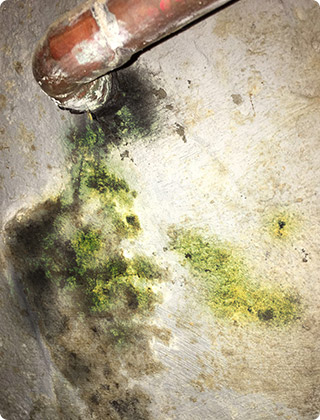
Green mold in the house is a sign that moisture has lingered long enough for growth to appear. It may show up around windows, on walls or ceilings, near plumbing, or on stored items in damp rooms.
In this guide, we explain what green mold may mean, where it grows, how to think about cleanup, and when mold testing can help clarify the situation without guessing by color alone.
What Green Mold Usually Means in a Home
Green mold usually means mold is growing on a damp surface or material. Mold needs moisture, organic matter, and time. In a home, that mix can come from plumbing leaks, roof leaks, condensation, high humidity, poor airflow, appliance leaks, or materials that were not fully dried after a water event.
The surface matters. A small patch on tile or glass is different from growth on drywall, carpet, wood, cardboard, or fabric. Porous materials can hold moisture below the surface, so the visible area may not show the full extent of the problem.
Is Green Mold a Specific Type of Mold?
Green mold is not one specific mold species. It is a visual description for growth that may look green, blue-green, gray-green, olive, or moldy green in certain lighting. Different mold groups can overlap in appearance, and the same growth may look different depending on the surface, age, moisture level, and lighting.
Some indoor molds, including Aspergillus, Penicillium, and Cladosporium, can appear greenish in some conditions. That does not mean every green patch belongs to one of those groups. Lab analysis is needed to identify what was found in a collected air or surface sample.
Green Mold vs Black Mold
Homeowners often compare mold colors to determine whether one type is inherently more concerning. Mold may appear black, or change appearance based on the material, moisture level, age of the growth, and whether more than one mold type is present.
| Comparison point |
What to know |
| Color |
Green, black, gray, brown, or mixed colors can overlap by species and surface. |
| Concern level |
Size, moisture source, material type, and recurrence matter more than color. |
| Identification |
Visual appearance is not enough for species identification. |
| Better next step |
Look for moisture clues and use testing when sample identification is needed. |
Where Green Mold Commonly Shows Up Indoors
Green mold tends to appear where moisture and limited airflow meet. Bathrooms, kitchens, basements, crawl spaces, windows, walls, ceilings, and stored materials are common areas to check.
Bathrooms and Kitchens
Bathrooms and kitchens often have steam, condensation, plumbing, and cabinets that trap moisture. Check caulk, grout, sink cabinets, nearby drywall, and surfaces around tubs, toilets, dishwashers, and refrigerator water lines.
Basements and Crawl Spaces
Basements and crawl spaces may stay damp because of seepage, poor airflow, cooler surfaces, or stored belongings. Look around baseboards, exposed wood, insulation facing, cardboard boxes, shelves, and items stored against exterior walls.
Windows and Storage Areas
Window areas can collect condensation, especially in colder weather or humid rooms. Check sills, trim, nearby drywall, books, cardboard, fabric bins, and stored items that may hold moisture longer than hard surfaces.
Green Mold on Wood
Green mold on wood often appears on framing, furniture, stairs, trim, shelving, or stored items when the material stays damp. Because wood can absorb moisture, green mold on wood may be connected to humidity, leaks, or poor ventilation.
Green Mold on Walls
Green mold on walls may point to condensation, a plumbing leak, a roof leak, or moisture behind paint and drywall. Peeling paint, soft drywall, staining, or discoloration that returns after cleaning can suggest a deeper moisture issue.
Green Mold on Ceiling Areas
Green mold on ceiling areas can suggest bathroom steam, attic moisture, poor insulation, or a leak from above. A ring-shaped stain may point to a leak, while growth along room edges may involve condensation or airflow.
Why Moisture Is the Real Clue
Start by asking why the area is staying damp. Mold growth indoors usually points back to moisture. That moisture may come from a roof leak, plumbing drip, appliance leak, foundation seepage, condensation, or humidity that stays too high. Cleaning visible growth without correcting the source of dampness may only lead to the same problem returning.
Common moisture clues include:
- Water stains on walls, ceilings, floors, or trim
- Peeling paint, bubbling drywall, or soft materials
- Damp carpet, musty odor, or repeated discoloration
- Condensation on windows or cold surfaces
- Growth that comes back in the same place
These clues help point back to the water source or humidity pattern.
Is Green Mold Dangerous?
Green mold should be taken seriously, especially when it is widespread, recurring, or growing on porous materials. Mold can bother some people, especially those with allergies, asthma, chronic respiratory conditions, or weakened immune systems. Others may notice little or no reaction.
Symptoms should not be treated as proof of mold exposure or a specific mold type. Coughing, sneezing, eye irritation, headaches, or breathing discomfort can have many possible causes. If health concerns are present, a medical professional is the right person to evaluate symptoms and discuss the next steps.
When to Take Green Mold More Seriously
A small spot on a hard bathroom surface may be easier to manage than growth on absorbent materials or in an area with water damage. The concern rises when the growth is larger, recurring, hidden, or connected to damp building materials.
Take a closer look when you notice:
- Green mold on walls that returns after cleaning
- Growth on drywall, carpet, padding, fabric, or wood
- A musty odor near the affected area
- Staining, soft drywall, warped trim, or damp cabinets
- Past leaks, flooding, or water damage
- Growth near vents, HVAC components, or wall cavities
These signs may point to moisture beneath or behind the surface.
Small Surface Growth vs. Possible Hidden Growth
Small surface growth often appears on bathroom caulk, grout, window sills, or other visible damp surfaces. Some people may call it green mildew, especially when it looks thin or powdery on a damp surface. Still, that label does not replace a closer look at moisture, material type, and recurrence.
Possible hidden growth is different. Musty odor, soft drywall, damp carpet padding, warped trim, or repeated staining can suggest moisture beneath or behind materials. Recurring green mildew or mold should be treated as a moisture pattern, a sign the moisture source may still be active.
What to Do If You Find Green Mold
Before disturbing the area, start by looking at the setting. Note where the growth appears, what material it is on, whether the area has been wet, and whether the spot has returned after cleaning.
Avoid sanding, scraping, or tearing out uncertain moldy materials, especially when the growth is on porous materials, near water damage, or possibly connected to hidden moisture.
| Situation |
Practical next step |
| Small spot on hard, nonporous material |
Clean, dry completely, and improve airflow. |
| Growth on porous material |
Check for absorbed moisture before disturbing the material. |
| Growth that keeps returning |
Find and correct the moisture conditions. |
| Large, hidden, or uncertain growth |
Consider professional assessment before removal or repairs. |
When Mold Testing Can Help
Mold testing can help when visual clues do not answer the main question. It may be useful when there is a musty odor with little visible growth, a past leak may have affected hidden materials, growth keeps returning, or documentation is needed after cleanup or remediation.
Testing is not always the first step. If visible mold and a clear moisture issue are already present, inspection and moisture correction may provide enough direction. Sampling is most useful when it answers a specific question about a collected sample, sampled area, or clearance concern.
What a Mold Assessment May Include
A mold assessment may include a visual inspection, moisture detection, air sampling, surface sampling, and third-party laboratory analysis. The exact approach depends on the property, concern, and inspection findings.
| Assessment step |
Purpose |
| Visual inspection |
Looks for visible growth, stains, damp materials, and moisture clues. |
| Moisture detection |
Helps identify areas that should be checked more carefully. |
| Air sampling |
Compares sampled indoor areas or indoor and outdoor conditions. |
| Surface sampling |
Identifies what was found on a specific sampled surface. |
| Lab analysis |
Provides sample results from a third-party laboratory. |
Testing brings clarity by helping document the actual conditions on site. For O2 Mold Testing, third-party lab results are typically available in 5 business days.
If you are unsure whether green mold is limited to the surface or connected to hidden moisture, O2 Mold Testing can help document the conditions with a professional mold assessment. Schedule testing at 888-202-1680 to get clearer information before deciding on cleanup, repairs, or next steps.
How to Help Prevent Green Mold From Coming Back
Prevention starts with moisture control. Mold is less likely to return when surfaces stay dry, leaks are repaired quickly, and damp rooms have steady airflow. Bathrooms, basements, laundry areas, and storage spaces often need attention.
Helpful prevention steps include:
- Repair plumbing, roof, window, and appliance leaks promptly
- Use bathroom and kitchen ventilation during moisture-producing activities
- Dry wet materials quickly after spills or water events
- Manage humidity in basements and other damp areas
- Avoid storing cardboard, books, or fabric against damp walls or floors
- Recheck areas where discoloration has returned after cleaning
Key Takeaways
- Green mold usually points to damp conditions that need to be found and corrected.
- It can grow on many household materials, but porous surfaces like drywall, carpet, fabric, cardboard, and wood deserve extra caution because moisture can extend below what is visible.
- The most useful next step is to find out why the area is damp.
- Mold testing may help when the source is unclear, hidden growth is possible, documentation is needed, or clearance testing is part of the next step after remediation.
- Testing can identify what was found in collected samples, but it should not be treated as a medical or safety conclusion.
FAQs About Green Mold in the House
Is Green Mold Always Toxic?
No. Green mold is not always toxic, and color does not identify the species or level of concern. Visible growth still points to indoor moisture.
Can I Identify Green Mold by Looking at It?
No. You cannot reliably identify mold by sight alone. Lab analysis is needed for a collected air or surface sample.
Should I Test Green Mold Before Cleaning It?
Testing may help when the source is unclear, growth keeps returning, hidden growth is possible, or documentation is needed.
Can Mold Testing Tell Me if My Home Is Safe?
No. Mold testing documents collected samples, but it does not provide medical, legal, or safety conclusions.
About Author
Luther Litchfield is a mold inspection and testing specialist at O2 Mold Testing. He writes about mold testing, moisture concerns, indoor air quality, and common mold-related questions, drawing from hands-on experience with residential and commercial properties.
- Facebook
- About author