


Is Mold Toxicity A Real Problem?
Mold toxicity and toxic mold poisoning are real!
The sooner we understand that there is a lot at stake with issues related to mold, the better for us all. Mold poisoning can trigger up to 65% of respiratory conditions/symptoms, especially asthma.
Not only that, how a mold colony can reduce food quality and carry other disease-causing organisms like bacteria should be read aloud to homeowners on every radio program to remind us of the danger in our hands.
Although not many admit it, most homeowners have had to deal with mold in their homes at one point or the other. Hence, questions arise on how mold grows and how harmful it can be.
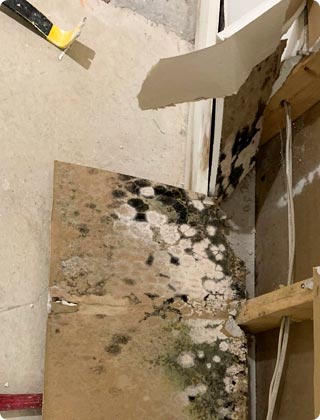
Homeowners should know that no matter how clean a home is, it may contain invisible mold spores or an already established mold colony hidden somewhere under the carpet or behind the refrigerator. Therefore, there is a need to constantly check for mold to avoid it growing all over the place.
A dangerous reminder is that hidden mold in corners and spots of the home are unhealthy. You may be tempted to overlook that little bit of mold growing in your house.
But, inhaling or swallowing mold fragments can inflame the airways leading to mold toxicity symptoms like headaches, runny nose, skin rash, coughing, sneezing, etc. Prolonged exposure to high levels of mold can lead to reduced lung function and chronic health problems.
Mold is not only harmful to human health but also harmful to properties. Mold present in a house can reduce the value of the property by 3%. Therefore, mold should never be left unchecked.
It is almost impossible to prevent mold from growing in your home. However, you can make the environment inhospitable for them by keeping your home well ventilated at all times. Maintain low humidity in the house by using air conditioners and dehumidifiers, fixing water leaks, and always drying water spillage.
In a nutshell, mold will not grow in ventilated, dry, and clean areas.