Published: 06/2025
(
Updated: 11/2026)
by Luther Litchfield
Airborne Mold Sampling in Schools: Protecting Children from Hidden Threats
Airborne mold concerns can affect schools regardless of location, particularly when leaks, persistent humidity, or other moisture problems go unresolved. Understanding when mold inspection or air sampling is appropriate can help school administrators make informed decisions about indoor environmental conditions.
Why Airborne Mold Sampling Matters in Schools
Evaluating mold in commercial buildings, including schools, starts with understanding moisture conditions and identifying areas that may need closer inspection. Classrooms, ceilings, and HVAC-related areas can develop mold problems when excess moisture persists, but laboratory sampling is not automatically necessary in every situation.
Understanding the Risks of Airborne Mold
Mold is a kind of fungus that grows best when it is damp. It can grow on walls, ceilings, or even in the HVAC systems of schools, among other places. When mold reproduces, it sends out tiny seeds that can travel through the air. Mycotoxins, which are found in these spores, can be dangerous if breathed in.
Mold exposure can be harmful to your health, and children are especially likely to be affected. Their lungs and immune systems are still growing, so they might not be as strong as adults. Long-term contact with mold spores in the air can cause a number of health problems, such as:
- Allergic reactions such as sneezing, coughing, and skin rashes
- Asthma exacerbation in children with pre-existing conditions
- Respiratory infections and bronchitis
- Sinusitis and nasal congestion
- Fatigue and headaches
Because of these possible health risks, we need to put our kids' safety and health first by fixing mold problems in schools right away.
The Power of Airborne Mold Sampling
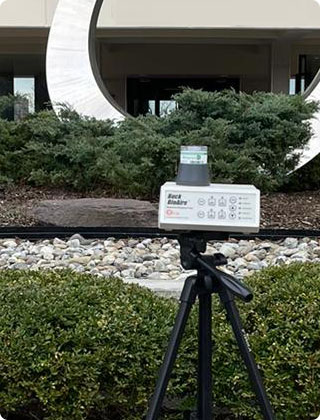
Airborne mold sampling can provide information about the types and concentrations of spores present in the air at the time and location of collection. When combined with visual inspection and moisture assessment, these results may help clarify specific concerns, although they cannot independently establish the full extent or source of a mold problem.
Safeguarding Our Future: Taking Action Based on Results
Air sampling results should be interpreted alongside inspection findings, moisture observations, and the building's history. When concerns are identified, school facility managers can use this information to determine whether further investigation, moisture correction, or other appropriate action is needed.
Essential Investment in Health
Maintaining healthy indoor conditions in schools requires prompt attention to water damage, humidity, and suspected mold growth. Professional mold inspection and targeted air sampling can support these efforts when specific concerns remain unresolved, rather than being treated as mandatory procedures for every school.
Conclusion
Schools can reduce mold-related concerns by addressing moisture problems promptly and investigating suspected growth before conditions worsen. Professional assessment can help determine whether visual inspection, moisture measurements, or airborne sampling would provide the information needed for an appropriate response.
Don't be afraid to call Contact OO2 Mold Testing to discuss professional mold testing services for educational facilities. Our specialists can help evaluate your concerns and determine an appropriate inspection or sampling approach.
About Author
Luther Litchfield is a mold inspection and testing specialist at O2 Mold Testing. He writes about mold testing, moisture concerns, indoor air quality, and common mold-related questions, drawing from hands-on experience with residential and commercial properties.
- Facebook
- About author