July 2025

Mold in Your Dishwasher? Here's Why It Happens
You open your dishwasher expecting the fresh scent of clean dishes, and you get hit with a musty, sour odor instead. You check the filter, wipe down the door, maybe even run a cleaning cycle. But the smell keeps coming back. Worse, you start noticing black spots around the rubber seal or strange discoloration near the drain.
What you're seeing and smelling could be mold.
And while it might seem like a minor inconvenience, mold in your dishwasher can be a sign of a bigger problem. It could be affecting your home's air quality and your family's health, never mind the possibility that mold is spreading beyond the appliance.
That's where the professional mold testing team comes in. At O2 Mold Testing, we will test for mold and help you assess the risk so you can take action before it becomes a bigger issue.
Why Mold Grows in Dishwashers
1. Warmth + Moisture = Mold Paradise
Every time you run a cycle, your dishwasher fills with hot water and steam. If the appliance doesn't get completely dry in between cycles, the lingering moisture may support mold growth.
2. Food Residue Feeds Mold
Tiny bits of food left behind on dishes or trapped in the filter provide nutrients for mold spores. Even if you rinse your dishes, residue can build up over time in hard-to-reach places.
3. Rubber Seals and Plastic Parts Trap Moisture
The rubber gasket around the door, the detergent dispenser, and even the spray arms can trap water and organic matter. These areas are often overlooked during regular cleaning, making them prime spots for mold growth.
4. Poor Ventilation
If your dishwasher doesn't have a proper drying cycle or if the door is kept closed after use, humidity stays trapped inside. That creates a damp, dark, and stagnant environment - ideal for mold.
What Mold in a Dishwasher Looks Like
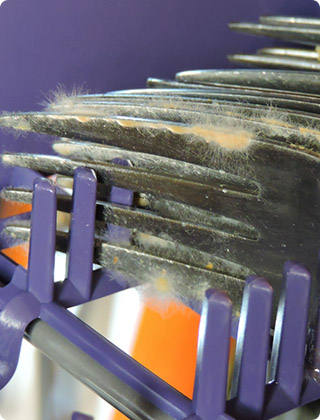
Mold in a dishwasher typically appears as black spots, white fuzz, or slimy pink-orange buildup. You may notice this around the rubber door gasket, filter, and drain area.
These signs are often subtle at first, but they're important to catch early. Here's how to recognize them:
1. Black or Dark Spots
These are the most common and visible signs of mold. You'll often find them:
- Around the rubber seal on the door
- Near the filter or drain
- On the inside edges of the door or racks
These black spots may look like dirt or grease at first, but they don't wipe away and they tend to return quickly after cleaning.
2. White or Gray Fuzzy Growth
This type of mold can appear on plastic parts, racks, or seals. It may look like a powdery or fuzzy white coating and is often mistaken for soap residue or hard water buildup.
3. Pink or Orange Slime
While not always mold, this orange slimy buildup is often a mix of mold and bacteria. It thrives in moist, low-light areas and is commonly found:
- In corners of the dishwasher
- Around the detergent dispenser
- Along the bottom edge of the door
4. Persistent Musty or Sour Odor
Even if you don't see visible mold, a strong, musty smell after a wash cycle is a red flag. Mold spores can hide behind panels, under the appliance, or in the drain line - places you can't easily inspect.
If you notice any of these signs, consider professional mold testing services. It is the quickest way to determine if there is a real mold issue that needs to be addressed.
Health Risks of Dishwasher Mold
Yes, mold in your dishwasher can make you sick - especially if it's been growing unnoticed and untreated.
Every time you open the dishwasher door, especially after a hot cycle, mold spores can be released into the air. These spores are invisible to the naked eye but can be inhaled or settle on nearby surfaces, including your dishes, countertops, and even food.
Who's Most at Risk?
- Children and infants: Their developing respiratory systems are more sensitive to airborne irritants.
- Elderly individuals: Weakened immune systems make them more vulnerable to mold-related illnesses.
- People with asthma, allergies, or respiratory conditions: Mold spores can trigger or worsen symptoms.
- Anyone with a compromised immune system: Mold exposure can lead to more serious infections or complications.
Common Symptoms of Mold Exposure:
- Persistent coughing or sneezing
- Nasal congestion or sinus pressure
- Itchy eyes or skin irritation
- Headaches or fatigue
- Worsening asthma or breathing difficulties
Even if symptoms seem mild or unrelated, if they are caused by long-term exposure to mold, it is worthwhile removing the irritant that is degrading indoor air quality and impacting your family's health.
Cleaning Tips for Dishwasher Mold
If you've spotted mold in your dishwasher, you need to clean it properly, but even cleaning may not solve the problem.
Step 1: Clean the Filter
Remove the bottom rack and take out the filter. Rinse it under hot water and scrub with a toothbrush and dish soap to remove food particles and buildup.
Step 2: Scrub the Rubber Gasket
Use a solution of white vinegar and baking soda or a mild bleach solution. Scrub the rubber door seal thoroughly - mold often hides in the folds.
Step 3: Run a Hot Vinegar Cycle
Place a cup of white vinegar in a dishwasher-safe bowl on the top rack. Run a full hot-water cycle with no detergent. This helps kill mold spores and remove odors.
Step 4: Follow with a Baking Soda Rinse
Sprinkle a cup of baking soda across the bottom of the dishwasher and run a short hot cycle. This helps deodorize and remove any remaining residue.
Step 5: Leave the Door Open After Use
Letting the dishwasher air out after each cycle helps prevent moisture buildup - one of the key causes of mold growth.
Important:
If mold returns after cleaning, or if the smell persists, it's likely that the problem may be deep inside the appliance's internal components, surrounding cabinetry, or even the wall behind it. That's when it's time to bring in professionals.
When to Call O2 Mold Testing
If you've cleaned your dishwasher and the mold keeps coming back - or if you're experiencing health symptoms with no clear cause - it's time to call in a professional.
Mold in a dishwasher can be a symptom of a larger issue. Moisture may be seeping into surrounding cabinets, under the flooring, or even behind the walls. These are areas you can't inspect or clean on your own - and where mold can spread undetected.
Here are clear signs it's time to contact O2 Mold Testing:
- Persistent Musty Odor - If the smell returns shortly after cleaning, mold may be growing in hidden areas beyond your reach.
- Recurring Mold Growth - Black spots or slime that reappear after thorough cleaning suggest a deeper moisture or contamination issue.
- Health Symptoms in the Household - Unexplained coughing, sneezing, headaches, or fatigue that improves when you leave the house could be linked to mold exposure.
- Water Damage Near the Dishwasher - Warped cabinets, peeling paint, or soft flooring near the appliance may indicate hidden leaks and mold growth.
- If You Want Peace of Mind - Even if you're not sure there's a problem, professional mold testing can confirm whether your home is safe or if action is needed.
At O2 Mold Testing, we use advanced tools to detect mold in the air, on surfaces, and in hidden areas. Our lab-certified results give you clear answers and a plan for what to do next.
Don't wait for mold to spread. If your dishwasher is showing signs of mold, let O2 Mold Testing help you get to the root of the problem so you can solve it for good.
Get Peace of Mind with O2 Mold Testing
If you've seen mold in your dishwasher, smelled something musty, or just can't shake the feeling that something's not right, you should trust your instincts and don't wait. Mold doesn't go away on its own, and what starts in your dishwasher can quickly spread to other parts of your home.
At O2 Mold Testing, we specialize in identifying mold problems at the source. Our certified inspectors use advanced tools to detect mold in the air, on surfaces, and in hidden areas where it can't be seen. We deliver fast, lab-backed results you can trust.
About Author
Luther Litchfield is a mold inspection and testing specialist at O2 Mold Testing. He writes about mold testing, moisture concerns, indoor air quality, and common mold-related questions, drawing from hands-on experience with residential and commercial properties.
- Facebook
- About author