Published: 06/2026
by Luther Litchfield
How to Document Mold for Real Estate, Rentals, and Insurance
Mold problems often become paperwork problems.
A buyer wants to know whether basement staining should affect a transaction. A tenant reports a musty odor. A landlord needs a clear record of what was inspected and repaired. A property owner handling an insurance claim needs organized information after a leak.
Mold testing can support those situations when the purpose is clear. In documentation-focused assessments, the issue is often not whether mold is present, but whether the property record is complete: photos, repair dates, and room-specific lab results. A strong assessment records what was observed, where samples were collected, what the lab identified, and which property conditions were noted.
Testing is not always necessary before embarking on mold remediation. EPA guidance says sampling is usually unnecessary when visible mold is already present. EPA also notes that there are no federal limits for mold or mold spores for federal pass/fail certification.
Quick Answer
Use mold testing when its results will guide a repair, transaction, follow-up decision, or when a mold problem must be quantified for confirmation. The sections below separate the assessment record from the property history and post-testing timeline.
When Mold Testing Adds Information
Consider it when:
- An inspection identifies staining, water damage, dampness, or odor.
- A buyer, seller, or other party needs a dated assessment before closing.
- A tenant reports a recurring issue that needs documented follow-up.
- An insurance-related water loss needs a clear timeline.
- Mold is suspected but there is no obvious visible growth.
- Clearance testing is needed after remediation.
Testing may add less value when visible mold already needs removal, the water source remains unresolved, or the result will not change the next step.
The mold sampling plan should follow the question being evaluated. More samples do not automatically produce a more useful report, and each sample should have a clear purpose.
The Property Evidence Stack
A lab report is one part of a property file. A stronger record includes four layers.
- Observations: Describe what was seen, smelled, or measured, such as staining below a window, damp drywall near plumbing, musty odor, condensation near HVAC equipment, or suspected growth on a specific material. Keep observations separate from unsupported conclusions.
- Property History: Note previous leaks, roof or plumbing repairs, flooding, humidity problems, HVAC drainage issues, renovations, or earlier remediation. This context explains why certain rooms or materials were inspected and sampled.
- Testing Evidence: Identify the sample type and location, why the location was selected, whether an outdoor comparison sample was used, what the third-party lab identified, and any interpretation limits.
- Follow-Up Records: Add records that establish the next event in the timeline - source correction, remediation, or clearance - so the file shows whether recommended work occurred.
Common Documentation Problem
One of the most common weaknesses in a property file is not a missing laboratory report. It is a report saved without the room notes, photographs, repair dates, or maintenance records that explain why the samples were collected.
Months later, the mold data may still be available, but the property story is incomplete. A well-organized file should make it possible to understand what happened before testing, what the assessment found, and what was done afterward.
Which Documents Matter for Which Situation?
| Situation |
Documents That Matter Most |
| Real Estate Purchase or Sale |
Home inspection notes, mold assessment, sample locations, lab results, photos, repair records, remediation records, and clearance results. |
| Rental Complaint or Property Management Follow-Up |
Original report, dates, photos, inspection notes, moisture observations, maintenance requests, repair records, testing results, remediation records, and follow-up communication. |
| Insurance-Related Water Loss |
Discovery date, suspected source, photos, mitigation records, repair invoices, mold assessment, lab results, remediation records, and insurer or adjuster communications. |
| Post-Remediation Clearance |
Remediation scope, completion records, before-and-after photos, clearance results, and final communications. |
What We Look for in a Documentation-First Assessment
In our experience, the best mold reports start with a defined question:
- Are we documenting a concern before closing?
- Are we responding to a tenant complaint?
- Are we evaluating selected rooms after a water loss?
- Are we checking selected areas after remediation?
That question shapes the inspection notes, sample locations, and final report.
A documentation-first assessment is not about collecting the largest possible number of samples. It is about collecting the information needed to answer the property-specific question without creating unnecessary or confusing data.
What a Professional Mold Assessment Can Document
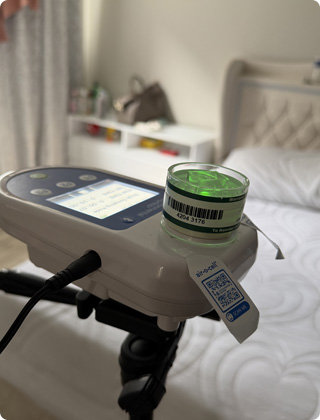
A professional assessment may include visual inspection, moisture detection, photographs, inspection notes, air sampling, surface sampling, and third-party lab analysis.
Air sampling may compare indoor and outdoor conditions or evaluate a room without obvious visible growth. Surface sampling may document suspected growth on a specific material.
The report should connect these findings instead of presenting lab results alone.
O2 Mold Testing uses third-party lab analysis for mold samples. Results are generally available within five business days.
Real Estate Transactions
Mold concerns can create uncertainty during a home purchase or sale. Testing can create a dated record of selected conditions before closing.
For Buyers
An assessment can document inspected rooms, moisture findings, sample locations, and lab results when a home inspection notes staining, odor, or possible water damage.
That record may help a buyer decide whether to request further evaluation, ask for repair documentation, or discuss remediation before settlement.
For Sellers
Written repair and remediation records are stronger than verbal explanations.
A dated file can help show when a leak occurred, what was repaired, whether testing was performed, and whether follow-up work was completed.
For Agents
The best reports state what prompted the assessment, which areas were inspected, where samples were taken, and what the report can and cannot establish.
Mold testing does not determine disclosure duties, and a seller is not automatically required to test for mold before listing. However, when mold, moisture intrusion, prior leaks, or remediation are known, disclosure rules and transaction forms may require those facts to be shared. A dated assessment and repair file can help support an accurate disclosure record, but it does not replace legal or real estate advice.
Rental Properties
Rental mold issues often involve both building conditions and communication.
The most useful rental record follows the sequence of events: what the tenant reported, when the property was inspected, what repairs were performed, whether testing was completed, and how the landlord or property manager followed up.
Testing creates a dated record of inspected areas and collected samples. It does not determine legal responsibility between a tenant and landlord.
Its value is in helping the parties review the same documented timeline rather than relying on memory, assumptions, or disconnected messages.
Insurance-Related Property Records
Mold testing may support an insurance-related file, but it does not determine whether a claim is covered.
Coverage depends on the policy, cause of loss, exclusions, endorsements, timing, and the carrier's review. The National Association of Insurance Commissioners notes that homeowners policies often exclude mold damage costs.
A strong insurance-related file begins with chronology: when the issue was discovered, what caused or may have caused the water damage, what emergency work occurred, when repairs were completed, and when mold inspection or sampling took place.
The purpose of the report is not to interpret the insurance policy. It is to help the property owner, adjuster, insurer, and contractors review a consistent factual record.
What Mold Testing Can and Cannot Establish
Mold testing can document:
- Where samples were collected and which methods were used
- What the laboratory identified in selected samples
- How indoor samples compared with an outdoor sample, when one was included
- What conditions were observed at that place and time
- Room-specific or material-specific findings
- Information that may support remediation planning or follow-up
- Selected conditions after remediation when clearance testing is performed
- A dated record when several parties are involved
Mold testing cannot:
- Diagnose health symptoms
- Predict how a specific person will respond to a property
- Prove an entire building is safe
- Decide legal responsibility or disclosure duties
- Guarantee insurance coverage
- Certify compliance with a federal airborne mold limit
CDC guidance also advises against using home mold testing to predict health effects. There are no established standards for acceptable quantities of different molds in a home.
These limits do not make testing unhelpful. They define its proper role: documenting selected conditions and supporting a broader property record.
How the Mold Testing Process Works
A mold assessment starts with the reason for the visit: a real estate inspection, tenant complaint, insurance-related water loss, previous remediation, visible staining, moisture, or odor.
- Review what prompted the concern.
- Inspect relevant rooms and materials.
- Check for moisture or signs of water intrusion.
- Select samples based on the question being evaluated.
- Record sample locations and observations.
- Send samples to a third-party lab.
- Prepare a report that connects findings to the property context.
Before the visit, gather leak records, repair invoices, previous reports, photos, maintenance requests, or remediation documents.
When testing is not likely to add meaningful information, the assessment should not be expanded simply to create more laboratory data. The goal is a clear record, not the highest possible sample count.
What to Keep After Testing
Keep the file in chronological order. These stages are enough to reconstruct the timeline without duplicating the assessment report:
- Initial concern and dated photos, if available
- Assessment report, including laboratory results
- Repair or remediation records
- Clearance record, if performed
- Relevant emails, claim notes, or final communications
The file should answer four questions:
- What was found?
- What was tested?
- What was repaired?
- What happened afterward?
Keep repair documentation with the corrective-work stage so it can be matched to the original concern.
What You Receive From O2 Mold Testing
Depending on the purpose and scope of the assessment, O2 Mold Testing may provide these assessment deliverables; they are distinct from the owner's broader property-history file:
- Inspection findings connected to the relevant rooms or materials
- Clearly identified sample types and locations
- Moisture observations when applicable
- Third-party laboratory analysis
- Laboratory results generally available within five business days
- A report designed to connect the findings to the property context
Frequently Asked Questions
Can One Air Sample Represent an Entire Property?
No. An air sample reflects conditions at the selected location and time. Concerns involving multiple rooms may require a broader sampling plan.
Should Repairs Be Completed Before Mold Testing?
It depends on the assessment's purpose. Active water sources should be addressed promptly, but repairs or material removal before inspection may change the conditions that can be documented.
What Should a Professional Mold Report Include?
A useful report should let a reader trace the assessment question to the observations and conclusions, distinguish observations from interpretation, and state the limits of what the selected inspection and samples can establish.
Schedule a Property Documentation Assessment
Need a dated mold assessment for a real estate transaction, rental property, insurance-related water loss, or post-remediation follow-up?
Call O2 Mold Testing at 888-202-1680 to discuss what was noticed, which rooms or materials are involved, and whether inspection or sampling would add useful evidence to the property record.
About Author
Luther Litchfield is a mold inspection and testing specialist at O2 Mold Testing. He writes about mold testing, moisture concerns, indoor air quality, and common mold-related questions, drawing from hands-on experience with residential and commercial properties.
- Facebook
- About author