April 2026
How to Deal with Mold in Your Basement: Complete Guide
If you're a homeowner, you've probably had that moment - the musty smell in your basement that just won't go away, no matter how much you air it out. Maybe you've noticed a damp feeling in the air, some discoloration on the walls, or even what looks like white mold creeping up in the corners. Basement mold can develop slowly and unnoticed, and if left untreated, it can lead to some significant property damage.
But here's the good news: with the right knowledge, a few simple steps, and a little help from the pros, you can catch it early, get rid of it, and prevent it from coming back. Whether you're dealing with a specific mold issue like black mold or just trying to manage moisture, this guide will show you how to identify, treat, and prevent mold in your basement.
Understanding the Problem: Why Mold Loves Basements
Mold needs three things to grow: moisture, warmth, and organic material. Unfortunately, basements are often the ideal environment for mold growth. The concrete walls and floors in many basements absorb moisture from outside, and humidity levels inside basements are often high due to poor ventilation. Combine that with the fact that basements are often poorly lit and sometimes even prone to flooding, and you've got an environment that's ideal for mold to thrive.
Signs of Basement Mold
Mold can be tricky to spot at first, but there are a few telltale signs that should raise a red flag:
- That musty smell: This is usually the first sign that mold might be in the air.
- Visible mold: You might start seeing white mold or dark spots on the walls or floor.
- Discoloration: If the walls in your basement are damp or stained, mold could be hiding behind the surface.
Mold comes in a variety of colors, with white mold being the least harmful. Black mold may present certain health risks and should be addressed promptly. If you spot any of these signs, it's time to act fast to prevent further damage to your home.
How to Check a Basement Mold Concern
If you think there may be mold in your basement, the first step is usually not jumping straight into testing - it is looking at the overall moisture picture. A musty smell, repeated dampness, staining, condensation, or materials that never seem to fully dry can all point to a basement issue that needs closer attention.
In some cases, the problem is already fairly clear. If there is visible growth, active water intrusion, or obvious moisture damage, the priority is usually addressing the source of the dampness and understanding how far the problem extends.
When the situation is less clear, a professional mold assessment may help bring more clarity. This can be especially useful when the concern seems hidden, keeps coming back, or does not match what you can see on the surface. The goal is not testing for its own sake - it is figuring out what is happening and what the next practical step should be.
If you are unsure whether a basement issue involves mold, getting a professional opinion can help you decide whether further evaluation is worth it. Contact O2 Mold Testing at 888-202-1680 to schedule your mold inspection and keep your basement safe!
How to Prevent Mold in Your Basement
The secret to keeping mold out of your basement is managing the moisture. Here are some practical tips to keep moisture at bay:
Improve Ventilation
Proper ventilation is one of the most effective ways to keep moisture levels down. Without it, air becomes stagnant, and humidity levels rise - which mold loves. Here's how to boost airflow in your basement:
- Install vents: If your basement doesn't have vents, adding them can make a huge difference.
- Use exhaust fans: Place exhaust fans in areas where moisture tends to build up, like in corners or near windows.
- Open windows: On dry days, open your basement windows to let in fresh air and let the humid air out.
Control Basement Moisture
Since moisture is the number one culprit behind mold growth, it's essential to tackle it head-on. Here are some ways to control moisture and keep mold at bay:
- Fix leaks: Check your basement for cracks in the walls or floors where water might be sneaking in. Fixing these is a must to reduce moisture.
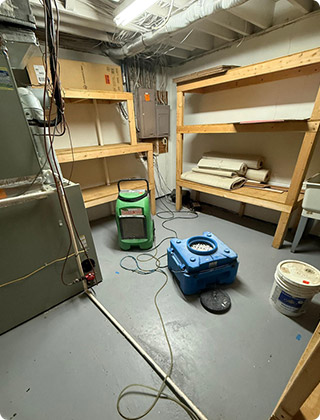
- Use a dehumidifier: If your basement tends to be damp, a dehumidifier can help lower the humidity and keep your space dry.
- Install sump pumps: If you live in a flood-prone area, installing a sump pump will help keep water out of your basement by draining away excess moisture.
Insulate Your Basement
Cold air can lead to condensation, which leads to mold. Proper insulation helps keep the temperature consistent and prevents condensation. Here's what you can do:
- Seal windows and doors: Make sure your basement windows and doors are properly sealed to prevent cold air from seeping in.
- Insulate walls: Consider adding insulation to your basement walls. This can help stabilize the temperature and reduce condensation.
Keep Your Basement Safe and Mold-Free
Mold in your basement doesn't have to be a nightmare. With the right moisture control, regular inspections, and quick mold testing, you can keep your basement healthy and mold-free. Whether you're dealing with white mold, black mold, or just a musty smell, taking action early will save you from bigger problems down the line.
While removing mold is possible, the best strategy is to prevent it from growing in the first place. Routine moisture control, proper ventilation, and regular inspections are key.
Contact O2 Mold Testing for Expert Help
If you're dealing with mold in your basement or just need some guidance, O2 Mold Testing is here for you. We offer comprehensive mold testing services, including air and surface sampling, and moisture detection. Our experienced team will help you test for mold and ensure your basement is safe.
Call us today at 888-202-1680 or get in touch online to schedule a professional mold inspection and enjoy peace of mind.
Frequently Asked Questions
How do I know if I have mold in my basement?
The most common signs of mold in your basement include a musty smell, visible stains on the walls or floors, and an increase in humidity. If you notice any of these signs, it's time to test for mold.
How do I test for mold in my basement?
The most reliable way to test for mold is through air or surface sampling, which mold professionals send to labs for accurate analysis.
What's the best way to prevent mold in my basement?
Preventing mold starts with managing moisture. Make sure your basement is well-ventilated, fix any leaks, and use a dehumidifier to control humidity levels. Sealing cracks and insulating walls can also help keep moisture at bay.
Can mold in the basement affect my health?
Yes, mold can cause respiratory issues, allergies, and other health problems, especially for people with weakened immune systems. Black mold is particularly harmful. If you suspect mold, it's important to address it promptly to reduce health risks.
Can I remove mold from my basement myself?
For small areas, you can clean mold yourself with mold remover sprays or a bleach-water solution. But for larger infestations or black mold, it's safer to hire a professional mold removal service.
Should I be worried about black mold in my basement?
If you suspect you have black mold, have it professionally tested to confirm its presence so you can determine the best removal method.
When should I hire a professional for mold inspection?
If you have extensive mold growth, mold in hard-to-reach spots, or you suspect black mold, it's time to call in the experts. Professionals can provide accurate tests and ensure your basement is mold-free and safe.
About Author
Luther Litchfield is a mold inspection and testing specialist at O2 Mold Testing. He writes about mold testing, moisture concerns, indoor air quality, and common mold-related questions, drawing from hands-on experience with residential and commercial properties.
- Facebook
- About author