Published: 07/2026
by Luther Litchfield
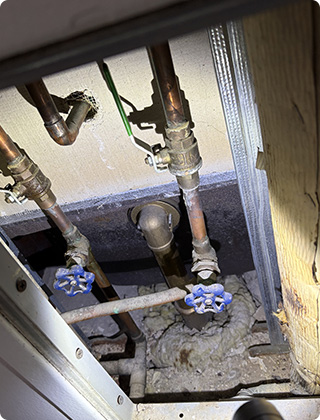
Basement Mold: Is Testing Worth It Without Visible Signs?
When people worry about mold in a basement, they often picture obvious growth on a wall, ceiling, or floor. But many basement concerns start with something less obvious: a musty odor, recurring dampness, previous flooding, or uncertainty about what may be happening behind finished materials.
Quick answer: Sometimes. Testing is most useful when a basement concern remains unclear after accessible areas and moisture conditions have been reviewed. Finished construction, recurring dampness, an unexplained odor, or a property transaction can leave questions that a visual inspection alone cannot settle.
Testing is not always the first step. Active leaks, wet materials, or visible growth call for direct attention to the moisture source and affected materials, whether or not samples are collected.
Why Basement Mold Concerns Are Often Hidden
Basements can create conditions where moisture problems are harder to identify. Foundation seepage, plumbing issues, condensation, humidity, drainage problems, and limited airflow can all contribute to damp conditions.
Finished basements can make this more complicated because drywall, flooring, insulation, and stored materials may hide areas that cannot be evaluated through a visual check alone. Moisture may affect these materials before visible growth appears on the surface.
The absence of visible mold neither confirms a problem nor rules out a hidden concern. A better question is whether moisture history, odors, staining, or damp materials justify a closer evaluation.
If you are looking for a broader overview of basement mold causes, warning signs, and common problem areas, see our guide on mold in basements.
Basement Situations Where Testing Decisions Are Different
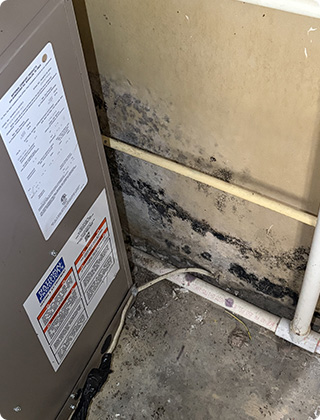
Not every basement mold concern requires the same approach. The right next step depends on what is known, what is uncertain, and what information is still needed.
Situation 1: A Musty Finished Basement With No Visible Mold
A homeowner notices a persistent musty odor in a finished basement but cannot identify the source. An inspection may help evaluate accessible areas, moisture conditions, and whether targeted testing would answer a remaining question.
Situation 2: Visible Mold After a Water Leak
A basement wall has obvious mold growth after a plumbing leak or flooding event. In this situation, testing may not be the first priority because the visible condition and moisture source already require attention.
Situation 3: Buying or Selling a Home
A buyer notices a basement odor during a home inspection, or a seller needs documentation after previous repairs. Testing may help create a dated record of selected conditions when the information could affect the transaction conversation.
Moisture Patterns and Warning Signs to Follow
Moisture Patterns and Warning Signs to Follow
A basement concern is easier to understand when you look for a moisture pattern rather than one isolated spot. Start with conditions such as:
- Foundation seepage
- Plumbing leaks
- Condensation on cooler surfaces
- Elevated humidity with limited airflow
- Past flooding or repeated damp conditions
- Areas that continue to feel wet or develop recurring staining
The timing and location of these conditions help distinguish an active leak from a past event or a recurring pattern. That distinction guides where to inspect and which materials may have remained damp.
Odor, staining, and materials that never fully dry can show how that pattern is affecting the space. Watch for clues such as:
- A musty smell that persists or returns
- Staining that repeatedly appears in the same area
- Damp carpet edges or padding
- Recurring moisture near walls, windows, or plumbing
- Stored materials that remain damp
- Areas that never seem to fully dry
None of these clues confirms hidden mold. Together with the leak and moisture history, they help narrow which materials and locations deserve closer inspection.
Why Moisture Comes First
One of the biggest mistakes homeowners make is treating mold testing as the first solution before understanding the moisture problem. A test result may provide information, but it does not stop a leak, remove moisture, or correct the condition allowing mold growth.
If water is actively entering the basement, materials remain wet, or the moisture source is obvious, the first priority is usually addressing that condition.
Testing may still have a role, but it is generally most effective after the immediate moisture issue has been identified and appropriate corrective actions are underway.
What Question Is Mold Testing Supposed to Answer?
A mold inspection and mold testing answer different questions. The inspection documents accessible conditions, moisture patterns, visible concerns, and possible sources. Sampling and laboratory analysis address a defined question about the material or air selected for testing.
After the inspection, an unresolved question might be:
- Is a suspected material change mold?
- Could sampling clarify a hidden concern?
- Does a recurring issue require additional documentation?
- Would laboratory results change the next step?
Mold testing is most valuable when it is used to answer a clearly defined question rather than as a broad search for every possible hidden condition. Results are most meaningful when considered alongside inspection findings and site conditions.
Where a Basement Inspection Looks Before Sampling
Finished walls, flooring, insulation, and stored belongings can conceal the path moisture has taken. Common areas for closer inspection include:
- Behind drywall or paneling on exterior foundation walls
- Beneath carpet or carpet padding
- Around lower wall areas and baseboards
- Near sill plates and framing
- Behind stored items against cool walls
- Around plumbing areas where condensation may occur
- Low-airflow storage areas
Moisture-prone locations are not proof of mold. Checking them helps identify damp materials or low-airflow spaces that might otherwise go unnoticed.
Before samples are collected, the inspection should connect those areas with the basement's history of leaks, flooding, odors, and recurring dampness.
The process may include:
- Reviewing the history of leaks, flooding, odors, or recurring moisture.
- Evaluating accessible basement areas and visible conditions.
- Looking for moisture patterns or materials requiring closer attention.
- Determining whether testing would answer a remaining question.
- Collecting samples when testing is justified.
- Reviewing laboratory findings with inspection observations.
Samples provide information about the specific locations tested, while the inspection helps place those findings within the broader context of the property's condition.
When Testing Helps and When Moisture Correction Comes First
Testing has a clearer role when inspection leaves a specific identification, concealed-area, or documentation question, including:
- A finished basement where hidden conditions cannot be fully evaluated visually
- Recurring odors or staining with no clear explanation
- Uncertainty about whether a material change is mold
- A history of seepage, leaks, or flooding where affected materials cannot be fully checked
- A need for documentation before a real estate transaction
- A need for follow-up information after remediation
In these situations, a targeted sample can help identify a selected material or create a dated record. It cannot map every concealed area in the basement.
By contrast, active water entry, wet materials, or visible growth already identifies the immediate work: control the water and address affected materials.
Collecting additional samples is not always more informative. A well-chosen sample taken to answer a specific question often provides more useful information than multiple samples gathered without a clear purpose.
What Mold Testing Can and Cannot Tell You
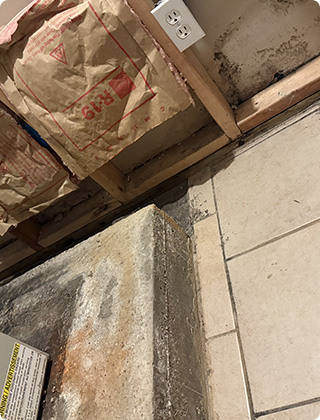
Sampling records and laboratory analysis can document:
- Where samples were collected
- Which sampling methods were used
- What a laboratory identified in selected samples
- Information that supports a property record
Mold testing cannot:
- Diagnose health symptoms
- Identify every hidden mold location
- Prove a property is safe for every person
- Determine legal responsibility
- Guarantee insurance coverage
Mold sampling and laboratory analysis describe only the selected samples. The inspection or assessment separately documents observed property and moisture conditions, and the two records should be interpreted together.
How O2 Mold Testing Evaluates Basement Concerns
At O2 Mold Testing, we start by reviewing the basement history and accessible conditions rather than prescribing a set number of samples.
The mold assessment may include reviewing the concern history, inspecting accessible areas, evaluating moisture conditions, selecting appropriate samples when justified, and connecting laboratory findings with inspection observations.
This approach helps create a clear property record that distinguishes observed site conditions from laboratory findings associated with any selected samples.
Concerned About Basement Mold?
Not sure whether your basement needs testing or a closer moisture evaluation? Call O2 Mold Testing at 888-202-1680. We can review the concern, explain the available options, and help you choose an appropriate next step.
O2 Mold Testing provides professional mold inspection, moisture evaluation, targeted sampling when appropriate, and third-party laboratory analysis to help document basement mold concerns.
Frequently Asked Questions
Can mold grow behind basement walls without visible signs?
Yes. Moisture can affect areas behind drywall, flooring, insulation, or stored materials before visible growth appears. However, the presence of hidden mold should be evaluated based on moisture history, inspection findings, and site conditions rather than assumed from odors or isolated symptoms alone.
If I can see mold in my basement, do I still need testing?
Not always. When visible mold and moisture conditions are already clear, addressing the source and affected materials may be more important than collecting samples.
How much basement mold testing do I need?
The amount of testing depends on the question being evaluated. A focused concern may require a different approach than a basement with multiple rooms, recurring moisture, or documentation needs.
Can a mold test tell me where all hidden mold is located?
No. A test provides information about the specific sample collected. It does not identify every possible hidden location or determine the full extent of a condition by itself.
Should I fix moisture problems before paying for testing?
Often, yes. If the moisture source is clear, addressing that condition is usually the first priority. Testing is more useful when uncertainty remains and the results could guide the next decision.
About Author
Luther Litchfield is a mold inspection and testing specialist at O2 Mold Testing. He writes about mold testing, moisture concerns, indoor air quality, and common mold-related questions, drawing from hands-on experience with residential and commercial properties.
- Facebook
- About author